


Businesses in Delhi operate in one of India’s most competitive digital markets, where standing out in search results can be challenging. While many companies invest heavily in content creation, advertising, and social media marketing, they often overlook the technical aspects that influence search engine performance.
Without a strong technical foundation, even high-quality content may struggle to achieve visibility and attract organic traffic. Understanding Why Technical SEO Is Important for Delhi Business Websites helps organizations create websites that are fast, secure, mobile-friendly, and easy for search engines to crawl and index.
Technical SEO improves website performance for both users and search engines, resulting in better rankings, increased user engagement, and stronger lead generation opportunities. As online competition continues to grow, technical optimization has become an essential component of long-term digital success.
What Is Technical SEO and Why Does It Matter for Delhi Businesses?
Technical SEO refers to the optimization of a website’s infrastructure so that search engines can easily discover, crawl, understand, and index its content. Unlike on-page SEO, which focuses on content and keywords, technical SEO improves the underlying architecture that supports the entire website.
For Delhi businesses operating in highly competitive industries such as healthcare, education, real estate, law, hospitality, and e-commerce, technical SEO provides a significant competitive advantage. A technically sound website helps businesses appear in search results more consistently while delivering a better experience for visitors.
Key Components of Technical SEO
- Website Crawling: Search engines must be able to access and navigate all important pages on your website. Proper crawlability ensures valuable content can be discovered and ranked.
- Indexing Management: Effective indexing allows search engines to store and display your pages in search results. Pages that are not indexed cannot generate organic traffic.
- Mobile Optimization: With mobile-first indexing, websites must perform well on smartphones and tablets. Responsive design improves both rankings and user experience.
- Website Security: HTTPS encryption protects user information and builds customer trust. Secure websites also receive positive signals from search engines.
- Page Speed Optimization: Fast-loading pages keep visitors engaged and reduce bounce rates. Website speed is also an important ranking factor for Google.
- Structured Data Implementation: Schema markup helps search engines understand your content more accurately. It can also improve visibility through rich search results.
Why Technical SEO Is Important for Delhi Business Websites in Competitive Markets?
Delhi businesses operate in an environment where hundreds of companies may target identical keywords and customer segments. In such scenarios, technical SEO often becomes the deciding factor that separates high-ranking websites from those buried deep in search results.
A website with strong technical SEO sends positive quality signals to search engines. When Google can efficiently crawl pages, understand content hierarchy, and deliver a fast experience to users, ranking potential improves considerably across competitive local searches.
How Technical SEO Creates Competitive Advantages
- Improves Search Visibility: Technical SEO helps search engines crawl and index your website more efficiently. This increases the chances of ranking for relevant keywords and searches.
- Enhances User Experience: Fast-loading and well-structured websites provide a smoother browsing experience. Visitors are more likely to stay longer and engage with your content.
- Supports Local SEO: Technical optimization improves your visibility in location-based searches. This helps attract nearby customers looking for your products or services.
- Increases Conversion Rates: A faster and more user-friendly website encourages visitors to take action. This often results in more inquiries, leads, and sales.
- Reduces Bounce Rates: Websites that load quickly and work properly keep users engaged for longer. Visitors are more likely to explore additional pages instead of leaving immediately.
- Strengthens Brand Credibility: A secure and professionally optimized website builds trust among users. Customers are more likely to choose businesses with reliable online experiences.
How Does Website Speed Affect Delhi Businesses?
Website speed is one of the most important ranking factors in modern SEO. Users expect pages to load within seconds, especially on mobile devices. A delay of even a few seconds can significantly reduce user engagement and conversion rates.
For businesses in Delhi, where consumers frequently search on mobile devices while commuting or traveling, website speed directly affects customer acquisition. Slow-loading websites frustrate users and encourage them to visit competitors instead.
Benefits of Faster Website Performance
- Improved User Satisfaction: Visitors prefer websites that load quickly and respond instantly. A fast website creates a better browsing experience and encourages engagement.
- Higher Search Rankings: Website speed is an important ranking factor in Google’s algorithm. Faster websites often perform better in search engine results pages.
- Better Mobile Experience: Quick-loading pages improve usability on smartphones and tablets. This is essential as most users now browse websites on mobile devices.
- Increased Conversion Rates: Faster websites make it easier for users to complete actions such as inquiries or purchases. Improved performance often leads to higher conversions.
- Lower Abandonment Rates: Users are less likely to leave a website that loads quickly. Reducing waiting times helps keep potential customers on your site.
- Improved Core Web Vitals Scores: Strong performance metrics contribute to better user experience signals. This can positively impact your website’s search visibility and rankings.
Why Is Mobile Optimization Essential for Technical SEO?
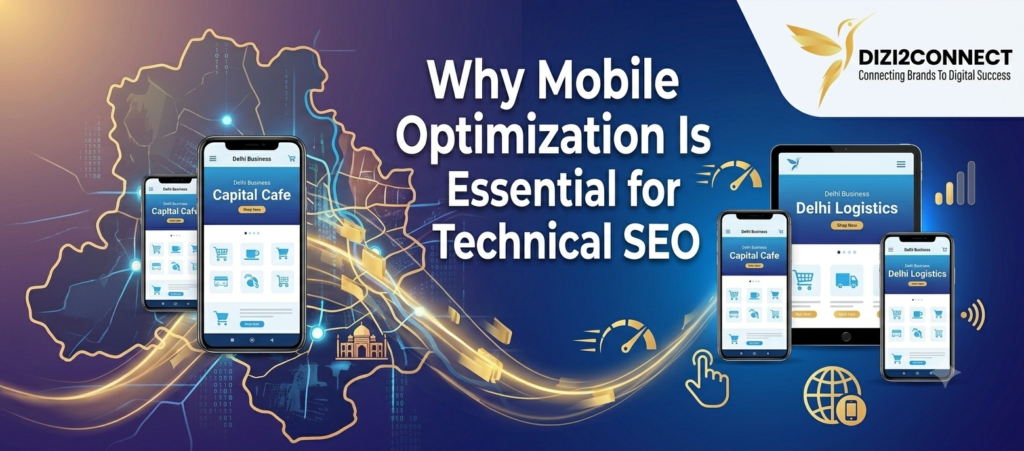
Mobile traffic dominates internet usage in India, making mobile optimization a fundamental requirement rather than an optional enhancement. Search engines now primarily evaluate mobile versions of websites when determining rankings.
Businesses that fail to provide a responsive and user-friendly mobile experience risk losing both search visibility and potential customers. Technical SEO ensures that websites adapt effectively across smartphones, tablets, and desktop devices.
Important Mobile SEO Elements
- Responsive Design: Websites should automatically adapt to different screen sizes and resolutions. This ensures a seamless experience across mobiles, tablets, and desktops.
- Fast Mobile Loading: Compressed files and optimized images help pages load quickly on mobile devices. Faster loading times improve both user experience and SEO performance.
- Readable Content Layouts: Text and content should be easy to read without excessive zooming or scrolling. Clear layouts make information more accessible to users.
- Touch-Friendly Navigation: Buttons, menus, and links should be large enough for easy tapping on touchscreens. This improves usability and reduces user frustration.
- Optimized Media Files: Images and videos should be compressed and optimized for mobile networks. Efficient media loading helps maintain website speed and performance.
- Consistent User Experience: Users should enjoy the same quality experience on both mobile and desktop devices. Consistency helps build trust and improve engagement.
How Does Crawlability Impact Search Rankings?
Search engines rely on automated bots to discover and understand web pages. If these bots encounter barriers such as broken links, redirect chains, or blocked resources, important pages may never appear in search results.
Technical SEO focuses heavily on improving crawl efficiency. By creating a clean website architecture and logical internal linking structure, businesses ensure that valuable pages receive proper attention from search engines.
Common Crawlability Issues
- Broken Internal Links: Dead or broken links prevent users and search engines from reaching important pages. They also waste crawl budget and negatively affect user experience.
- Improper Redirects: Too many redirects can slow down page loading and create navigation issues. Search engines may also struggle to crawl redirected pages efficiently.
- Blocked Resources: Essential files such as CSS, JavaScript, or images should remain accessible to crawlers. Blocking them can affect how search engines understand your website.
- Duplicate Content: Similar or repeated content across multiple pages can confuse search engines. This may reduce ranking potential and indexing efficiency.
- Poor Site Architecture: Complicated website structures make it difficult for users and crawlers to find content. A clear hierarchy improves navigation and crawlability.
- Orphan Pages: Pages without internal links are difficult for search engines to discover and index. Proper internal linking helps ensure all valuable pages are found.
Why Are XML Sitemaps Important for Delhi Business Websites?
XML sitemaps act as roadmaps that help search engines discover and understand website content more efficiently. They provide information about important pages, update frequency, and site structure. For businesses with large websites, blogs, or service pages, XML sitemaps improve content discovery and indexing.
They are especially useful when new pages are added or updated regularly. This helps search engines prioritize important content more effectively. As a result, websites can achieve better visibility in search results.
Advantages of XML Sitemaps
- Faster Content Discovery: XML sitemaps help search engines find new and updated pages more quickly. This can speed up the indexing process for fresh content.
- Improved Index Coverage: Important pages are more likely to be discovered and indexed properly. This improves their chances of appearing in search results.
- Efficient Crawling: Sitemaps guide search engine bots to the most valuable pages on your website. This helps search engines use their crawl resources more effectively.
- Support for Large Websites: Websites with hundreds or thousands of pages can organize their content more efficiently. XML sitemaps ensure important sections are not overlooked.
- Enhanced Monitoring: Website owners can use sitemap reports to identify indexing problems. This makes it easier to resolve technical SEO issues quickly.
- Better Communication with Search Engines: XML sitemaps provide additional information about page importance and update frequency. This helps search engines understand your website structure better.
Why Does HTTPS Matter for SEO and User Trust?
Website security has become an important ranking factor for search engines. HTTPS encryption protects user data and helps build trust with both visitors and search engines. Customers are increasingly cautious about sharing personal information online and prefer secure websites. Businesses without secure connections may lose credibility and potential customers. A secure website also supports better user experience and higher conversion rates.
Benefits of HTTPS Implementation
- Improved User Confidence: Websites with HTTPS appear more secure and trustworthy to visitors. Users are more comfortable sharing their information on protected websites.
- Ranking Advantages: HTTPS is a recognized ranking signal in Google’s algorithm. Secure websites may gain an advantage over non-secure competitors in search results.
- Data Protection: HTTPS encrypts information exchanged between users and the website. This helps protect sensitive customer data from unauthorized access.
- Browser Compatibility: Modern web browsers favor secure websites and often warn users about non-HTTPS pages. Having HTTPS improves both usability and credibility.
- Better Conversion Rates: Customers are more likely to make purchases or submit inquiries on secure websites. Increased trust often leads to higher conversion rates.
- Protection Against Data Manipulation: Secure protocols help prevent data interception and tampering during transmission. This reduces security risks for both businesses and users.
What Role Do Core Web Vitals Play in Technical SEO?
Core Web Vitals measure real-world user experience through loading speed, visual stability, and interactivity metrics. These measurements help search engines determine whether users enjoy a positive browsing experience.
Businesses that optimize Core Web Vitals often benefit from stronger rankings, reduced bounce rates, and improved customer engagement. Technical SEO strategies frequently prioritize these metrics during audits and optimization projects.
The Three Core Web Vitals
- Largest Contentful Paint (LCP): LCP measures how quickly the main content of a webpage becomes visible to users. A faster LCP score improves user experience and search rankings.
- Interaction to Next Paint (INP): INP evaluates how quickly a website responds after a user clicks, taps, or interacts with an element. Lower response times create a smoother browsing experience.
- Cumulative Layout Shift (CLS): CLS measures unexpected movements of content while a page is loading. A stable layout helps users interact with the website more comfortably.
- Image Optimization: Properly sized and compressed images reduce loading times significantly. Optimized images contribute to better Core Web Vitals performance scores.
- Code Minification: Removing unnecessary spaces and characters from code reduces file sizes. Smaller CSS and JavaScript files load faster across all devices.
- Server Improvements: High-quality hosting and faster servers improve website response times. Better server performance enhances overall website speed and reliability.
How Does Structured Data Improve Search Visibility?
Structured data helps search engines better understand the meaning and context of website content. It enables rich search results such as ratings, FAQs, pricing details, and business information to appear in search listings.
Businesses that implement schema markup often achieve more prominent visibility in search results. This enhanced appearance can improve click-through rates and help attract more potential customers.
Common Types of Schema Markup
- Local Business Schema: This schema provides search engines with important business details such as location, contact information, and opening hours. It helps improve local search visibility.
- FAQ Schema: FAQ schema allows questions and answers to appear directly in search results. This can increase click-through rates and provide quick information to users.
- Review Schema: Review schema highlights customer ratings and feedback in search listings. Star ratings can make your website stand out from competitors.
- Service Schema: Service schema helps search engines understand the services your business offers. This improves relevance for service-related searches.
- Article Schema: Article schema provides additional context about blog posts and news content. It helps search engines interpret and display content more effectively.
- Organization Schema: Organization schema strengthens your brand identity in search results. It provides information about your company, logo, and official website details.
Why Technical SEO Is Important for Delhi Business Websites Targeting Local Customers
Local customers often search using location-specific phrases such as “near me” or city-based keywords. Technical SEO supports local SEO by ensuring location pages, contact details, and business information are properly indexed and accessible.
Businesses targeting local audiences benefit greatly from technical improvements that enhance map visibility, local rankings, and mobile usability. These factors collectively improve customer acquisition from nearby searches.
Local SEO Technical Factors
- Consistent NAP Information: Your business name, address, and phone number should remain identical across all online platforms. Consistency helps improve local search rankings and customer trust.
- Location Page Optimization: Dedicated pages for specific locations help businesses target regional audiences more effectively. They also improve visibility in local search results.
- Mobile Performance: Most local searches are performed on smartphones and mobile devices. A fast and mobile-friendly website enhances user experience and SEO performance.
- Schema Implementation: Local business schema helps search engines understand important business details. This can improve visibility in local search listings and rich results.
- Fast Page Speed: Mobile users expect websites to load quickly and efficiently. Faster page speeds reduce bounce rates and increase engagement.
- Secure Website Infrastructure: HTTPS security builds trust with both users and search engines. A secure website can positively influence rankings and conversions.
How Often Should Businesses Conduct Technical SEO Audits?
Technical SEO is not a one-time task but an ongoing process because websites keep changing with updates, redesigns, and new content. These changes can create technical issues that affect rankings and user experience.
Regular audits help detect and fix these problems early. This ensures the website stays optimized and search-friendly. Consistent monitoring supports long-term search visibility. It also helps maintain stable rankings and performance.
Recommended Audit Frequency
- Monthly Performance Reviews: Regularly monitor website speed, indexing status, and traffic trends. Monthly reviews help identify technical issues before they affect rankings.
- Quarterly Technical Audits: Conduct comprehensive technical SEO audits every three months. This helps uncover emerging problems and maintain website health.
- Post-Redesign Audits: Major website redesigns or migrations should always be followed by a technical audit. This ensures that no SEO issues were introduced during the update.
- Content Expansion Reviews: New service pages, blogs, or website sections should be checked for technical consistency. Proper optimization helps maintain strong search performance.
- Security Monitoring: HTTPS status, security certificates, and potential vulnerabilities require continuous attention. Regular monitoring helps protect both users and business data.
- Competitor Benchmarking: Compare your website’s technical performance against competitors in your industry. Benchmarking can reveal opportunities for further optimization and growth.
Conclusion
Understanding Why Technical SEO Is Important for Delhi Business websites are crucial for businesses that want to improve their online visibility and achieve long-term growth. Technical SEO ensures that search engines can efficiently crawl, index, and understand website content, creating a strong foundation for better search performance.
By investing in areas such as website speed, mobile optimization, crawlability, security, structured data, and Core Web Vitals, businesses can improve user experience and increase their chances of ranking higher in search results. These technical improvements also support other SEO efforts, including content marketing and local SEO strategies.
As digital competition continues to grow in Delhi, businesses that prioritize technical SEO will be better positioned to attract customers, build trust, and generate more leads. A technically optimised website is not just beneficial
Explore Our Recent Posts
- Why Online Reputation Management Matters for Delhi Businesses
- Why Responsive Websites Matter for Delhi Businesses
- How Website Design Impacts Business Growth in Delhi
- Why Website Maintenance Is Important for Delhi Business Websites
- Why E-Commerce SEO Matters for Online Stores in Delhi
Frequently Asked Questions
1. What is technical SEO in simple terms?
Technical SEO refers to the process of improving the technical aspects of a website so search engines can crawl, understand, and rank it more effectively. It focuses on speed, security, mobile usability, and website structure. These improvements help websites perform better in search results.
2. Why is technical SEO important for local businesses in Delhi?
Technical SEO helps local businesses improve visibility in highly competitive markets. It supports local search rankings and enhances user experiences on mobile devices. Better technical performance often results in more inquiries and conversions.
3. How long does technical SEO take to show results?
Technical SEO improvements can begin showing results within a few weeks for indexing and crawling issues. Larger improvements involving speed and Core Web Vitals may take several months. Results depend on website size and competition levels.
4. Is technical SEO different from on-page SEO?
Yes, technical SEO focuses on website infrastructure and performance, while on-page SEO focuses on content, keywords, and optimization within individual pages. Both strategies complement each other and are essential for success. Neither should be ignored.
5. Can technical SEO improve conversion rates?
Yes, technical SEO improves speed, usability, and mobile performance, which contribute directly to better customer experiences. Visitors are more likely to trust and engage with fast and secure websites. This often leads to higher conversion rates.
6. How often should a business perform technical SEO audits?
Most businesses should conduct technical SEO audits every quarter. Larger websites or e-commerce businesses may require monthly reviews due to frequent updates. Regular audits help identify problems before they affect rankings.
Tags: