

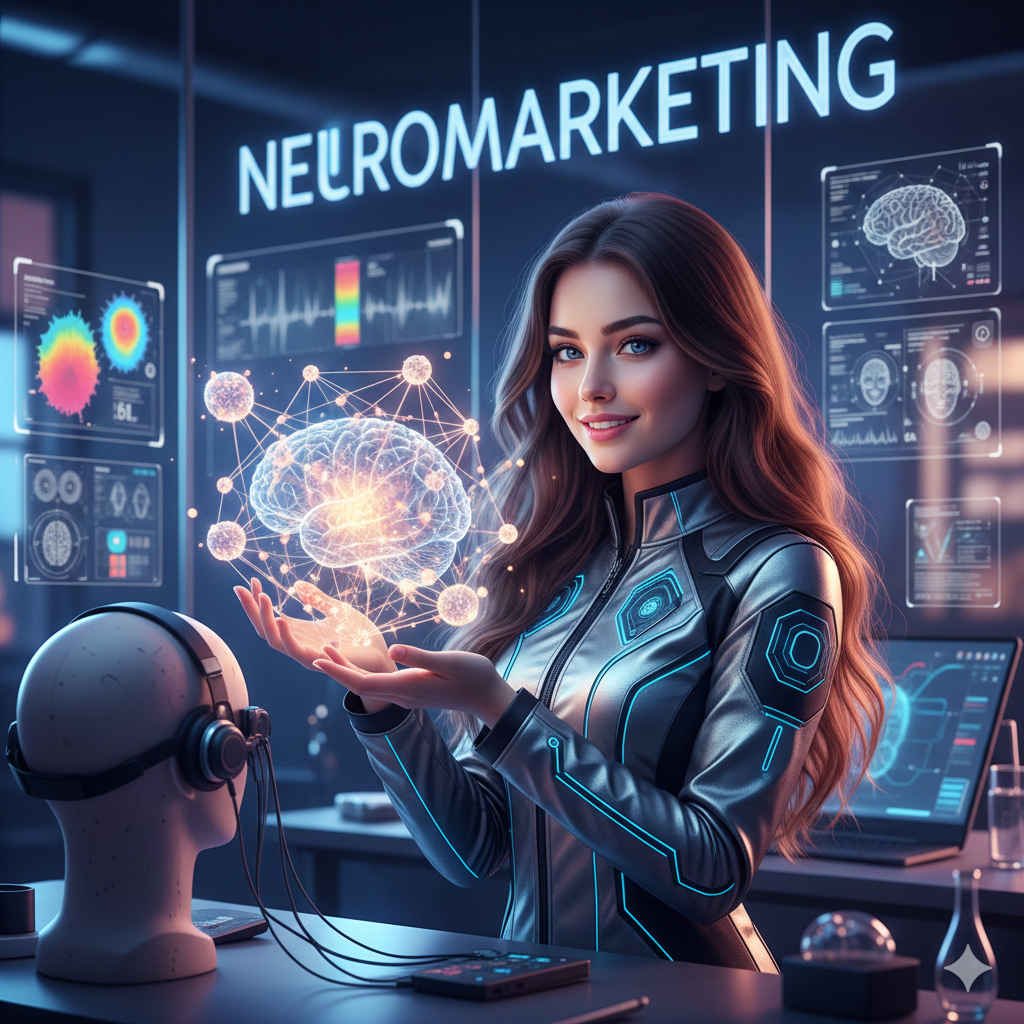
Indian consumers are emotional, value-driven, and deeply influenced by culture, colors, stories, and trust. This is exactly where neuromarketing comes in. Instead of guessing what your audience wants, neuromarketing helps you understand how people actually think, feel, and decide before they buy.
For Indian brands competing in crowded markets, neuromarketing offers a smarter way to connect with customers on a psychological
level, not just through discounts or features. When used correctly, it strengthens branding, improves conversions, and builds long-term loyalty.
What Is Neuromarketing?
Neuromarketing is the study of how the human brain responds to marketing messages. It combines psychology, neuroscience, and marketing to understand what truly influences buying decisions. Instead of relying only on surveys or opinions, neuromarketing focuses on subconscious reactions such as emotions, attention, and memory. This helps you design ads, websites, and content that naturally attract people and encourage action. In modern Digital Marketing, neuromarketing plays a key role in improving engagement and trust.
Why Does Neuromarketing Matters?
Customers rarely make decisions logically. Most buying choices are emotional first and rational later. Neuromarketing helps you align your brand with how the brain actually works, not how people claim they think.
Why It Matters for Your Brand:
Improves Decision Making
You understand what truly motivates your audience, reducing guesswork in campaigns. This allows you to select the most effective channels, messaging, and timing, leading to more predictable and scalable results.
Builds Emotional Connections
People remember brands that make them feel something, not just brands that sell. By focusing on consumer needs and aspirations, your brand moves from a simple transaction to a meaningful relationship, fostering loyalty.
Increases Conversion Rates
When content matches brain behavior, users are more likely to take action. Optimizing calls-to-action (CTAs) and reducing cognitive load makes the user journey frictionless, directly boosting sign-ups, purchases, and other desired actions.
Enhances Website Experience
It guides layout, colors, and structure, especially when you consider what you should consider when developing your website content. Applying principles like the F-pattern or visual hierarchy ensures visitors find information easily and feel comfortable navigating your site.
Boosts Brand Recall
Emotionally charged messages stay longer in memory. Tapping into core human drivers creates distinct and memorable impressions, ensuring your brand is top-of-mind when a purchasing need arises.
Supports Better SEO
Performance
Higher engagement improves signals related to AI ranking Factors. Content that uses behavioral insights to hold user attention (reducing bounce rate and increasing time on page) tells search engines your page is high quality, thus improving organic visibility.
Reduces Marketing Waste
You spend less on campaigns that do not connect with your audience. A deeper understanding of motivation ensures your budget is allocated only to tactics that resonate deeply, maximizing ROI and minimizing inefficient spend.
Strengthens Customer Trust
Consistency and clarity make people feel safe choosing your brand. When messaging aligns with innate human needs for safety and transparency, it signals authenticity and establishes your brand as a reliable authority.
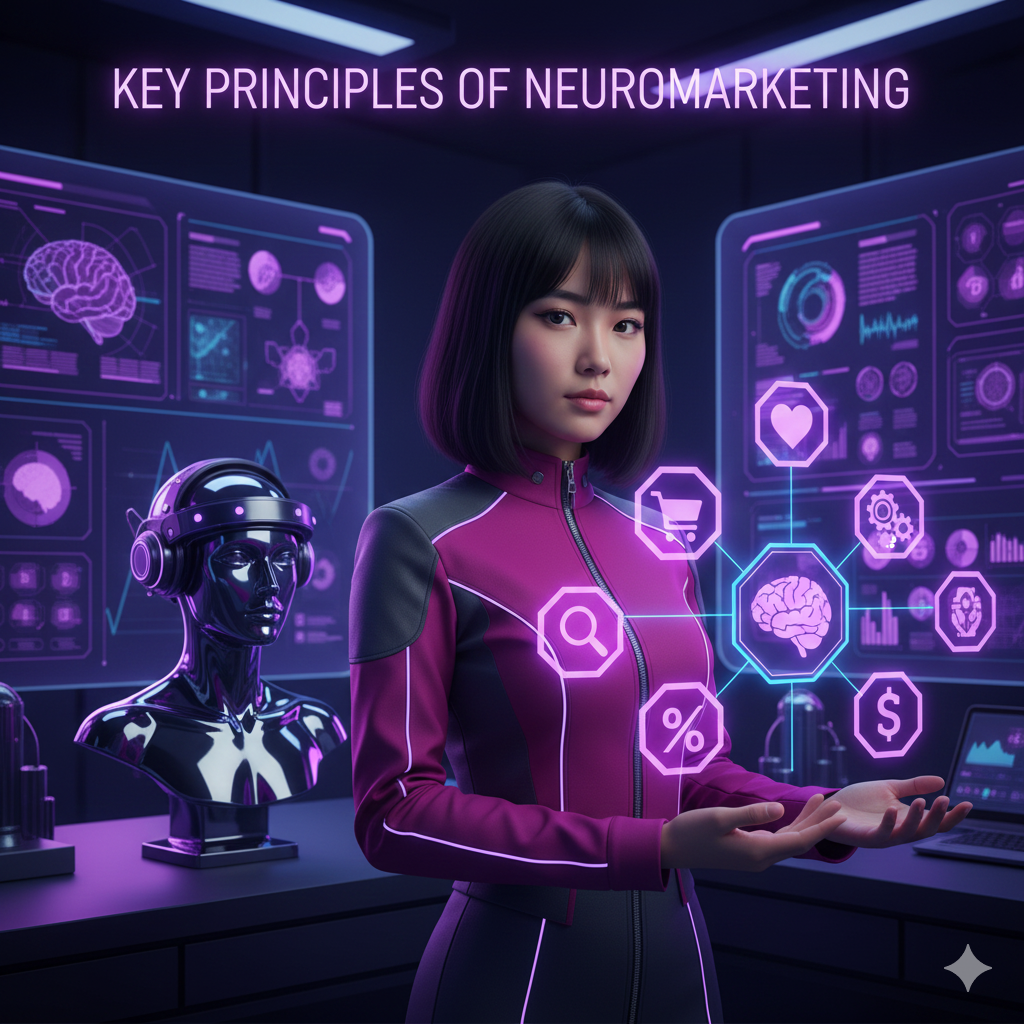
What are Key Principles of Neuromarketing?
Neuromarketing works on specific psychological principles that influence how people perceive and respond to brands. Here are some Core Principles Explained below:
Emotional Triggers
Most of the time people buy based on feelings like happiness, fear, pride, or belonging and not just out of need.
Visual Dominance
Many ads show alluring images and we are caught by it. Our brain processes images faster than text, making visuals powerful and we end up buying.
Simplicity Wins
Sometimes simple messages reduce mental effort and improve our understanding of a particular product.
Storytelling Effect
Most of the time we just don’t buy products, we buy stories that activate more parts of the brain than plain information.
Social Proof
We often review first then purchase. It’s a mental tendency that when we see many people buying a particular product we also end up buying that. Seeing others trust a brand increases your own trust.
Scarcity and Urgency
Have you ever come across any campaign that tells you, “only limited stock available.” This tag line is enough for us to purchase a product because limited availability creates faster decision making.
Loss Aversion
Many times people just hoard things in fear of losing. So they buy even when it’s available in their stock, as desire of gaining is very common.
Neuromarketing Techniques
Neuromarketing techniques help you apply brain-based insights in real marketing scenarios. Here are some effective Techniques for you which you can use:
- Eye Tracking: Eye tracking shows where users actually look first on a website or ad. It helps you place important elements like headlines, images, or buttons where attention naturally goes.
- Color Psychology: Different colors create different emotions. Choosing the right colors helps you influence mood, build trust, and guide users toward taking action.
- Facial Expression Analysis: This technique analyzes facial reactions to understand how people emotionally respond to ads or visuals. It helps you know what truly connects with your audience.
- A/B Testing with Psychology: Instead of only testing clicks, this method tests emotional reactions. You learn which version makes users feel more confident, excited, or interested.
- Voice and Tone Optimization: The way your message sounds matters. A friendly, clear tone builds trust and makes your brand feel more relatable and human.
- Personalization: Personalized content makes users feel understood. When messages match their needs or behavior, engagement naturally increases.
- Micro-Moments Design: People have short attention spans. Micro-moment design focuses on delivering quick, clear messages at the right time to capture interest instantly.
- Immersive Experiences: Using technologies like AR and VR in marketing allows users to interact with products in a realistic way, creating stronger emotional connections.
Digital Neuromarketing
Digital neuromarketing applies brain science to online platforms such as websites, social media, and ads. It helps you design user journeys that feel natural and intuitive.
By understanding user behavior, you can improve content flow, call-to-action placement, and engagement, which also supports SEO through better user experience and retention.
Future of Neuromarketing
The future of neuromarketing lies in AI, personalization, and real-time behavior analysis. Brands will move beyond demographics and focus on emotional data. As technology evolves, neuromarketing will integrate with predictive analytics, immersive content, and smarter decision systems, helping brands stay relevant in competitive markets.
FAQs
Is neuromarketing ethical?
Yes, when used to improve user experience rather than manipulate consumers.
Can small businesses use neuromarketing?
Absolutely. Even simple techniques like storytelling and color psychology are effective.
Does neuromarketing replace traditional marketing?
No, it enhances traditional strategies with deeper insights.
Is neuromarketing useful for digital platforms?
Yes, it is highly effective for websites, ads, and content marketing.
Does neuromarketing help SEO and engagement?
Yes, better engagement improves signals that support rankings and conversions.
Tags: